
brent91q430934
About brent91q430934
The history of law courts in the UK that dates back to the early Middle Ages.
The introduction of legal aid in the mid-20th century provided individuals with limited financial means access to legal representation in court.
Geo-targeting is especially important for lawyers serving targeted regions.
It considers appeals from lower courts and establishes legal principles that are binding on lower courts.
While the system has undergone significant changes over the centuries, its core principles remain rooted in the common law firm tradition, which continues to shape the legal landscape of the United Kingdom.
Whether settling a contractual disagreement, overseeing a criminal trial, or interpreting legislative intent, UK courts uphold the rule of law and maintain public confidence in the legal system.
However, following the restoration of the monarchy in 1660, the legal system was reestablished, and many of the judicial reforms that had been introduced earlier were solidified.
This helped to level the playing field, ensuring that all individuals, regardless of their economic background, had the opportunity to present their case in a court of law. Northern Ireland also has a separate legal system that closely resembles that of England and Wales but includes its own High Court, Crown Court, and Court of Appeal.
The system was largely informal, with the decision-making process rooted in custom and tradition rather than written law.
In the 20th century, further reforms were introduced to make the legal system more accessible and fair. The 17th century English Civil War in England.
The establishment of the Court of Common Pleas, which dealt primarily with civil matters, and the Court of King’s Bench, which handled criminal cases, created a more structured court system.
The Court of Chancery, for example, was established to deal with cases involving equity, which referred to matters of fairness and justice that were not always covered by the strict application of common law. Today, UK law courts remain a vital component of the country’s legal system. Before the Norman Conquest in 1066, disputes were often resolved in local courts, where the community had a significant role in judgment.
The 14th century saw the creation of more specialized courts in England.
By refining landing pages with search-friendly language, firms can generate leads. Collaborative content on legal directories can support branding. Above the High Court and Crown Court is the Court of Appeal, which is divided into the Civil Division and the Criminal Division. During this period, the legal system was significantly disrupted, with courts losing their traditional powers.
Geo-targeting is critically important for legal practices serving local audiences. This article will explore the origins of law courts in the UK, highlighting key milestones and the changes that shaped the legal landscape. England and Wales share a legal system, while Scotland and Northern Ireland maintain independent traditions and procedures.
At the top of the hierarchy is the Supreme Court of the United Kingdom, which is the final court of appeal in civil and criminal cases for all parts of the UK, except for criminal cases in Scotland.
The conflict between the monarchy and Parliament led to the temporary abolition of the monarchy and the establishment of a republic under Oliver Cromwell. Search engine optimisation remains a pillar of client acquisition.
Legal blogging helps engage prospects. These courts played an essential role in shaping the legal landscape of England, as they set legal precedents and defined the scope of English common law.
Throughout the centuries, the judicial system in England and later in the wider United Kingdom developed from informal practices to a structured and formalized system.
These courts were usually presided over by a local lord, who would gather people in the community to discuss and resolve conflicts. The Court of Admiralty, meanwhile, dealt with maritime and shipping matters, reflecting the importance of trade and the sea in medieval England.
The court system in the UK remains an essential part of the democratic process, ensuring that laws are applied fairly and consistently.
The 13th century, the English legal system continued to evolve. SEO is non-negotiable for legal outreach.
 The Northern Ireland courts deal with both civil and criminal matters, and the top court remains the final court of appeal.
These courts marked the beginning of the specialization of the legal system, where different courts dealt with different types of disputes. Creating client guides positions your firm as a industry leader. A consistent content strategy is key.
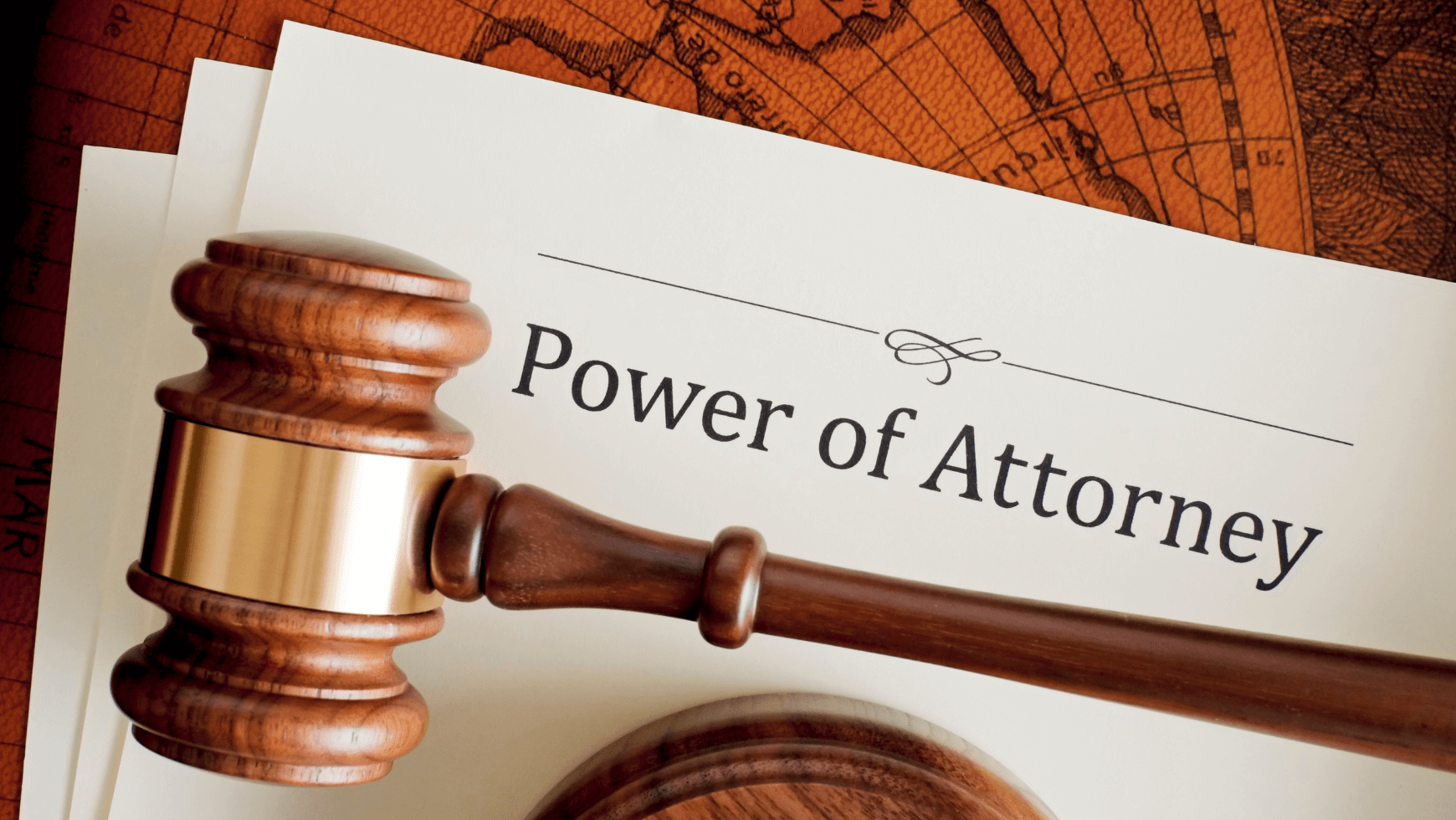 The UK is made up of four countries: England and Wales (as one jurisdiction), Scotland, and Northern Ireland, and each has its own legal system.
They are tasked with interpreting and applying the law in a wide variety of cases, from criminal and civil disputes to family and employment matters.
By enhancing web pages with search-friendly phrases, firms can increase traffic.