
jerroldgower09
About jerroldgower09
Want To Step Up Your Housing? You Need To Read This First
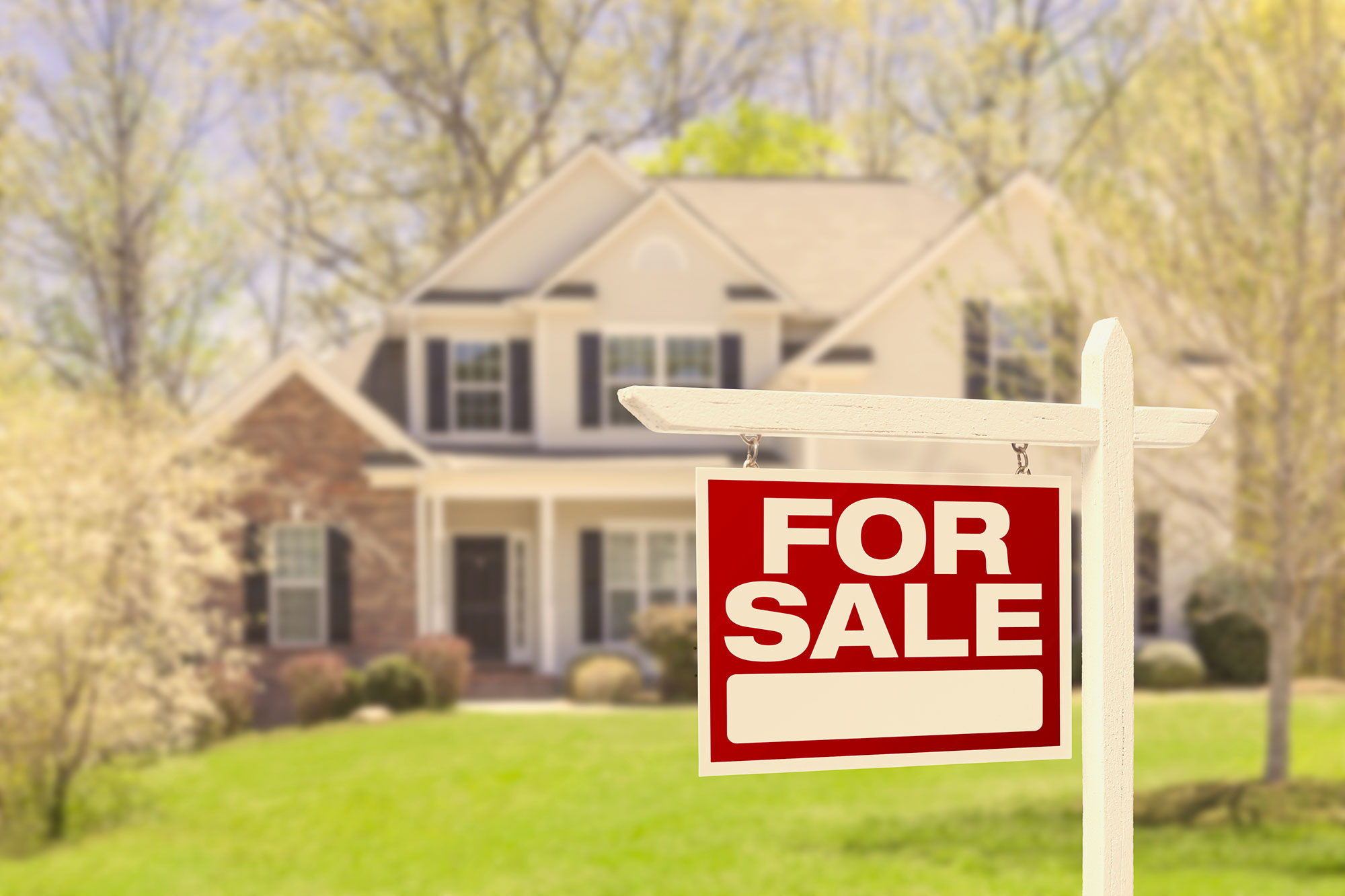 The real estate market does not move in one direction nationwide. It never has. What is happening in Austin is not what is happening in Cleveland. What is true for a three-bedroom in the suburbs of Dallas has almost nothing to do with a two-bedroom in San Francisco. Before you do anything else, narrow your focus to the specific market you are shopping in and stop reading national headlines as if they apply to you personally.
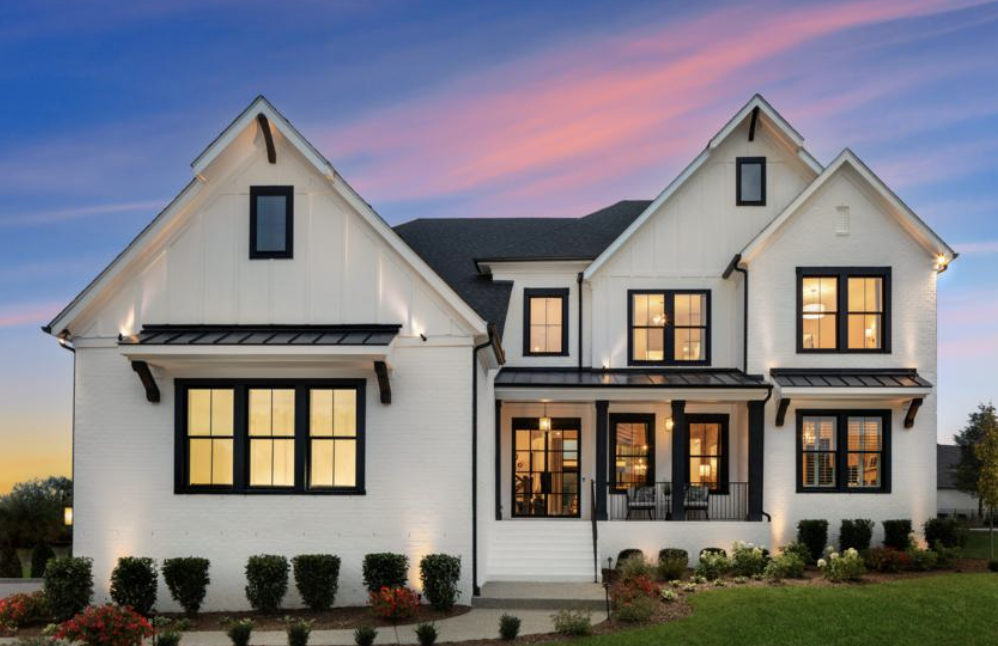 The arithmetic here is brutal and worth understanding clearly. A buyer who financed a $400,000 home at three percent in 2021 pays roughly $1,686 per month on principal and interest. That same loan at a seven percent rate costs $2,661. Those numbers explain why the market froze rather than crashed when rates moved higher. Volume collapsed. Prices mostly did not.
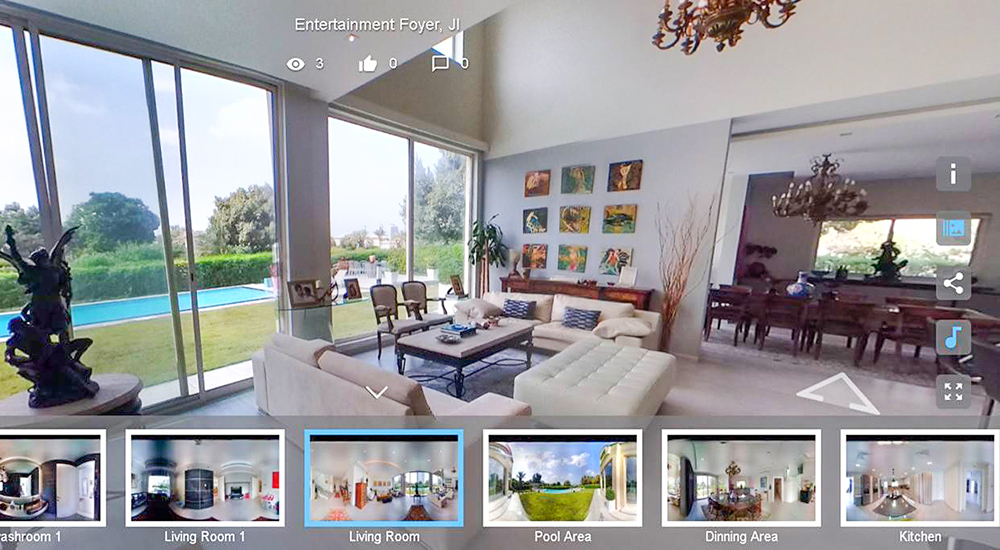 Winnie is a name you might hear from a lot of agents right now, because the buyers getting deals done tend to treat the purchase like a business transaction rather than an emotional event. That is not a personality trait. It is a preparation habit.
Shop more than one institution, because the spread in rates and costs is real. A quarter-point difference in your interest rate adds up to around twenty thousand dollars over a thirty-year loan on a four hundred thousand dollar mortgage. Lender fees vary too. Ask each lender for a Loan Estimate document, which breaks down all costs in a standardized format.
If the report surfaces problems that go well beyond normal wear and tear, you have real choices, and walking away is a legitimate one of them. You can request a credit against the purchase price to handle repairs yourself. Signing off on a failing roof or a bad HVAC system is not the same house you made an offer on.
Budget two to four percent of the purchase price for closing costs, on top of your down payment. First-time buyers often do not see the full closing cost picture until the Closing Disclosure arrives three days before settlement. Ask your lender for a Loan Estimate with a realistic purchase price so the numbers reflect what you are actually going to face.
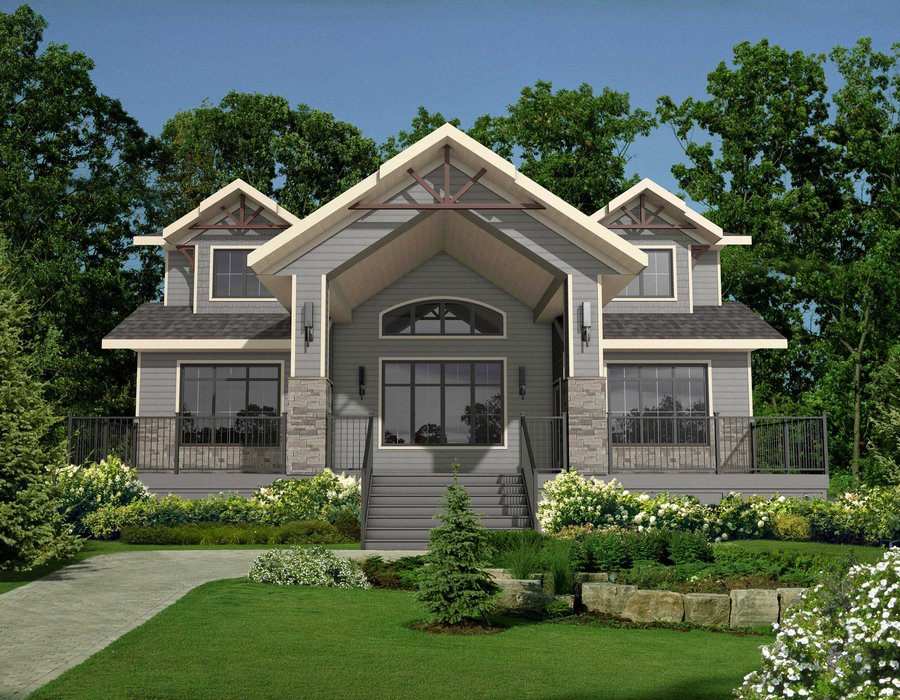 The timing question, whether to buy now or wait for a better moment, is the one that trips up more buyers than any other single factor. No one consistently times the real estate market. The more useful question is not whether now is the right time in the abstract; it is whether you can carry the payment without strain.
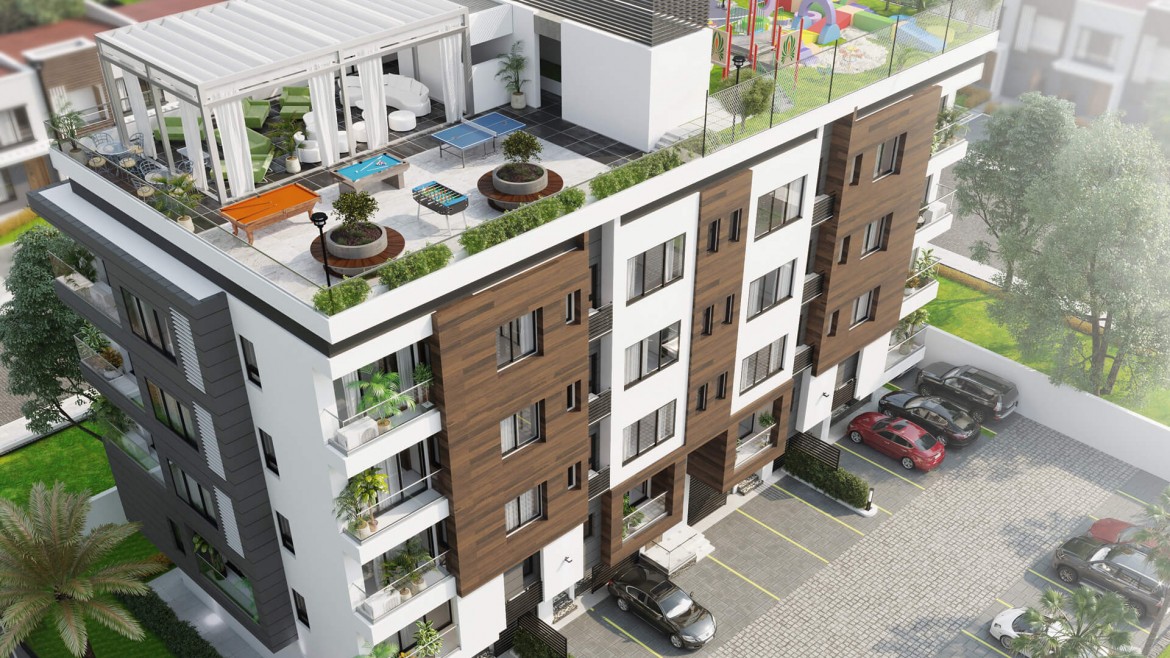 Real estate rewards preparation more than it rewards timing. Nobody consistently calls the top or the bottom of a market, but buyers who show up informed and financially ready close deals in every cycle. Start by browsing current homes for sale and market resources to build a realistic picture of your options.