
simonl7390552
About simonl7390552
Death, Developer And Taxes: Tips To Avoiding Developer

 In markets where builders have added meaningful supply in recent years, prices have pulled back. Phoenix, Austin, and parts of Florida saw corrections of ten to fifteen percent from peak levels in some submarkets. But those are the exceptions. Most markets are not working from excess; they are working from scarcity.
Affordability, by the standard measure of what share of median household income goes toward the monthly payment on a median-priced home, is near its worst level since the early 1980s. That is a real problem, and it is not going away quickly. That measure being at a historical extreme does not automatically produce a correction. What it means, practically, is that fewer people can compete for each property.
 Shop more than one institution, because the spread in rates and costs is real. A 0.25 percent gap between two lenders’ quotes adds up to real money that most buyers leave on the table by taking the first offer they receive. Lender fees vary too. Request itemized fee schedules so you can compare apples to apples.
 The appraisal is the lender’s check, not yours. A low appraisal means the buyer has to make up the gap in cash, renegotiate, or cancel. Ask your agent how common appraisal gaps have been in your target price range and neighborhood.
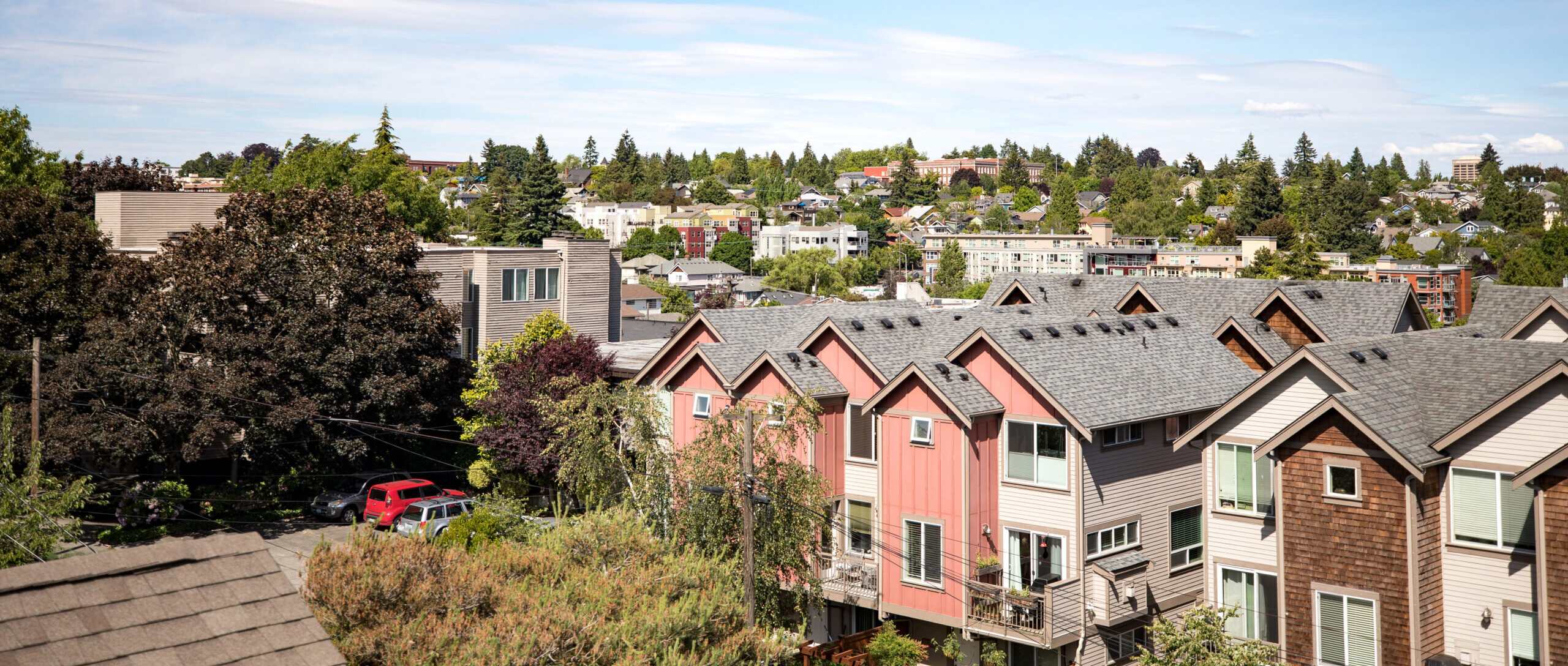 Budget two to four percent of the purchase price for closing costs, on top of your down payment. First-time buyers often do not see the full closing cost picture until the Closing Disclosure arrives three days before settlement. Ask your lender for a Loan Estimate before you make any offers, so you can plan your cash position accurately.
 The timing question, whether to buy now or wait for a better moment, is the one that trips up more buyers than any other single factor. Waiting for the perfect moment is how people end up renting for another five years when they did not mean to. The more useful question is not whether now is the right time in the abstract; it is whether the home works for your actual life for the next five to seven years.
 Buyers who take the time to research properly tend to find that the market is more navigable than the headlines suggest. A quick look at up-to-date property listings will tell you more about your local market than most of what you read in national coverage.